
The Illusion of Invincibility at 35,000 Feet: When the Masters of the Sky are Brought Down by a Spark
By Khawar Nehal
We live in an era where humanity has successfully domesticated the skies. We board colossal tubes of aluminum and composite materials, sip champagne at thirty-five thousand feet, and operate under the comforting illusion that we have conquered the natural world. Yet, as a recent incident aboard a KLM flight starkly reminds us, the veneer of modern technological mastery is remarkably thin, and the laws of physics and chemistry remain entirely indifferent to our titles, wealth, or past glories.
On Thursday, a KLM flight bound for the sun-drenched shores of Curaçao was forced to execute a dramatic Atlantic U-turn, limping back to Amsterdam Schiphol. The catalyst for this emergency return was not a mechanical failure of the mighty aircraft, nor was it the wrath of the weather. It was a power bank. A small, portable lithium-ion battery that caught fire in the plush confines of Business Class.
Video footage emerging from the aftermath paints a visceral picture of the peril. The images show the severe scorching of the Business Class seat, the melted sidewall, and the damaged window area. It is a terrifying testament to the volatile alchemy we so casually carry in our pockets and briefcases. A lithium fire does not merely burn; it rages, consuming oxygen and spewing toxic fumes, turning a sanctuary of luxury into a hazardous zone in a matter of seconds. In such a scenario, the emergency return to Schiphol was not merely appropriate; it was the only logical decision to ensure the survival of the flight. The crew’s swift action averted what could have been a catastrophic tragedy.
But beyond the technical and operational lessons lies a profound, almost Shakespearean irony that demands our attention. The device that sparked this mid-air crisis did not belong to an unaware tourist or a distracted businessman. According to sources, the power bank belonged to none other than Camiel Eurlings, the former CEO of KLM and a former Dutch Minister.
Let that sink in. The man who once sat at the absolute apex of the very airline whose aircraft he was flying, a man who helped shape national policy and governed the skies from the boardroom, was brought low by a sleeping-induced safety violation.
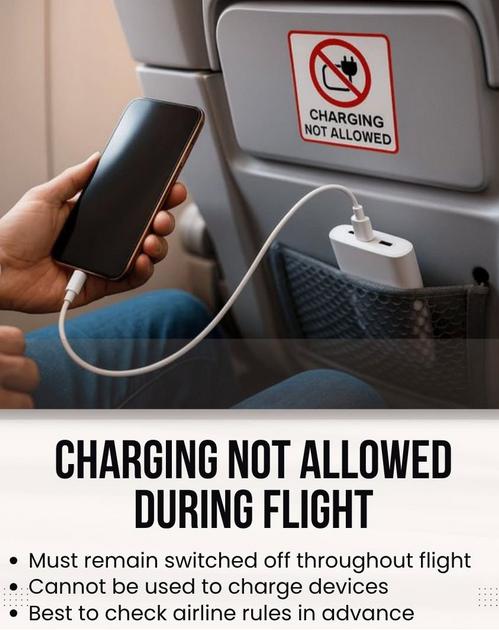
Reports indicate that Mr. Eurlings fell asleep while the power bank was charging, directly violating onboard safety protocols. Herein lies the crux of the human condition, a theme that plays out repeatedly in the corridors of power. There is a pervasive, unspoken complacency among the elite—a subtle belief that safety protocols, fine prints, and cabin crew instructions are meant for the common passenger. The VIPs, the former CEOs, the ministers; they often view themselves as exceptions to the rule, lulled into a false sense of security by their past authority.
When Mr. Eurlings drifted off to sleep, he was not just succumbing to fatigue; he was succumbing to the hubris that often accompanies power. He forgot that at 35,000 feet, the cabin is a closed ecosystem where a single spark of negligence can compromise the lives of hundreds. The very safety culture he once helped oversee as KLM’s CEO was the only thing standing between a minor cabin incident and a disaster, as the flight attendants and the cockpit crew immediately recognized the threat and executed the emergency protocols flawlessly.
This incident forces us to reflect on the broader intersection of human fallibility and systemic resilience. Aviation is consistently ranked as the safest mode of transport in the world. But this safety is not achieved because humans are perfect. It is achieved because the system is designed to catch human stupidity. The aircraft’s fire suppression systems, the rigorous training of the cabin crew, and the decisive command of the pilots to turn back over the Atlantic—these are the invisible shields that protect us from our own complacency.
The scorched seat and the damaged window of that KLM flight serve as a modern-day memento mori. They remind us that no matter how advanced our engineering becomes, we are still at the mercy of the basic elements. We cannot out-engineer a lack of vigilance.
As we continue to rely on portable electronics, tethering our modern lives to lithium-ion batteries, we must heed the warnings written in the charred remains of that Business Class seat. Safety protocols are not bureaucratic suggestions; they are the distillation of past tragedies, written in the ink of hard-learned lessons.
In the end, the skies do not care about your resume. The atmosphere does not respect your past tenure as a CEO or a Minister. When the smoke rises and the alarms blare, we are all just fragile passengers in a metal tube, entirely dependent on the rules we are supposed to follow, and the crew trained to save us when we forget them.
