MIL-SPEC and the ThinkPad T Series: A Technical Primer
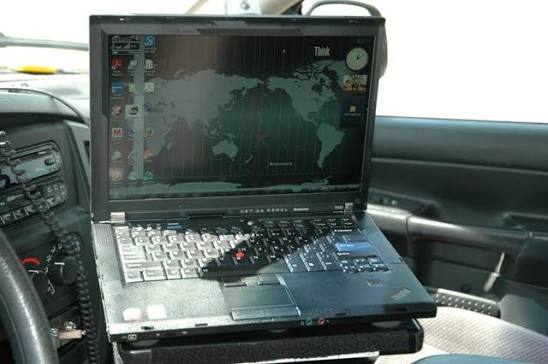
As someone who has spent over three decades building IT infrastructure and advising businesses on technology strategy, I often see buyers fixate on processor speeds and screen resolution while ignoring the single most important factor for mobile productivity: physical resilience. The Lenovo ThinkPad T Series remains the industry benchmark not because it has the flashiest specs, but because it is built to a standard that most consumer laptops never approach.
Here is a straightforward explanation of what MIL-SPEC actually means and why the T Series matters in the real world.
What Is MIL-SPEC?
MIL-SPEC (Military Specification) is not a marketing term; it is a set of rigorous testing methodologies originally developed by the U.S. Department of Defense to ensure equipment survives extreme operational environments. When applied to laptops, it refers specifically to MIL-STD-810, a standard that defines how to test for environmental stress.
Key Points About MIL-STD-810
- It’s a Methodology, Not a Certification: There is no official “MIL-SPEC Certified” stamp from the military. Manufacturers self-certify by following the test procedures outlined in the standard. This is why transparency about which tests were run matters.
- G vs. H: You will see two versions referenced:
- MIL-STD-810G (2008): The long-standing industry baseline.
- MIL-STD-810H (2019): The current revision with updated, more scientifically rigorous test methods. Current T Series models are tested to 810H, even if some legacy marketing pages still reference 810G.
- Lab Conditions ≠ Real-World Guarantee: Passing these tests proves the design can withstand specific stresses in a controlled environment. It does not mean the laptop is indestructible, and damage from extreme conditions is typically excluded from standard warranties.
Common Tests Relevant to Laptops
The T Series typically undergoes 12+ methods and 200+ quality checks, including:
|
Test Category |
What It Simulates |
Practical Relevance |
|---|---|---|
|
Mechanical Shock |
Drops, bumps, impacts during transit |
Surviving a fall from a desk or bag drop |
|
Vibration |
Continuous shaking (vehicle, shipboard) |
Commuting, field work, industrial sites |
|
Extreme Temp |
Operation at -21°C to +43°C |
Cold storage, hot vehicles, outdoor use |
|
Humidity |
91–98% RH at elevated temps |
Tropical climates, spill resistance |
|
Sand & Dust |
Silica exposure |
Construction sites, manufacturing floors |
|
Altitude |
Low-pressure operation at 15,000 ft |
Air travel, high-altitude deployments |
|
Solar Radiation |
UV exposure cycles |
Outdoor use without degradation |
⚠️ Critical Note: MIL-SPEC validates design integrity, not future performance. Lenovo explicitly states that abuse-related damage is not covered under standard warranty. Treat it as a measure of build quality, not an insurance policy.
The ThinkPad T Series: Why It Endures
The T Series is Lenovo’s flagship business line, positioned as the ultimate corporate workhorse. Its reputation isn’t accidental—it’s engineered through decades of iterative refinement focused on three pillars:
1. Durability Through Design
- Roll Cage & Magnesium Alloy: Internal metal framing protects the motherboard and components from flex and impact.
- Spill-Resistant Keyboard: Drainage channels route liquid away from critical electronics.
- Reinforced Hinges & Ports: Tested for tens of thousands of open/close cycles and plug/unplug events.
- Matte Finish: Resists fingerprints, scratches, and UV degradation better than glossy consumer finishes.
2. Serviceability & Longevity
Unlike modern ultrabooks with soldered components, the T Series prioritizes repairability:
- User-Upgradable RAM: Most T Series models retain SODIMM slots (verify per model), allowing cost-effective memory upgrades.
- Replaceable Batteries & SSDs: Standard M.2 NVMe and 2.5″ bays (model-dependent) enable easy storage replacement.
- Documented Disassembly: Lenovo publishes detailed Hardware Maintenance Manuals (HMMs), making repairs accessible to independent technicians.
- Long BIOS/Firmware Support: Enterprise-grade update cycles extend usable life far beyond consumer laptops.
3. Business-Centric Features
- Linux Compatibility: Excellent driver support makes it the preferred choice for sysadmins, developers, and security professionals.
- Enterprise Manageability: vPro, TPM, smart card readers, and docking station compatibility out of the box.
- Keyboard Excellence: The legendary ThinkPad keyboard offers tactile feedback, key travel, and layout consistency that reduces fatigue during extended typing sessions.
- Port Selection: Retains RJ-45 Ethernet, HDMI, and USB-A alongside USB-C/Thunderbolt, eliminating dongle dependency.
Why This Matters for Your Organization
From my perspective as a technical advisor operating under Radical Transparency, the T Series represents a strategic investment rather than a commodity purchase:
- Lower Total Cost of Ownership (TCO): A $600 used T14 with upgraded RAM often outlasts a $1,200 consumer laptop that fails after 2 years. Repairability extends lifecycle to 5–7 years.
- Reduced Downtime: Field failures cost far more than hardware. MIL-SPEC validation minimizes unplanned outages due to environmental stress.
- Sustainability Alignment: Longer lifecycles and repairability align with ethical governance and reduce e-waste—core tenets of the Project Equity Method™.
- Talent Productivity: Reliable tools prevent frustration. A keyboard that feels right and a machine that doesn’t fail mid-task directly impacts output quality.
Final Thought
The confusion between MIL-STD-810G and 810H is largely semantic. What matters is that the T Series continues to be validated against the most stringent environmental standards available for commercial computing. Whether you’re deploying fleets for field engineers or sourcing cost-effective used units for your team, the T Series’ adherence to these standards makes it one of the few laptops that qualifies as true infrastructure rather than disposable tech.
In an era of planned obsolescence, the T Series remains a testament to the principle that reliability is a form of equity.
Khawar Nehal is CEO of Applied Technology Research Center (ATRC), Founder of Remote Support LLC and Muftasoft, and an independent technical advisor specializing in IT infrastructure, cybersecurity, and ethical business governance.
