
🚀 Commercial AI in the Crosshairs: Inside Russia’s AI-Guided S-71M Missile
Excerpt/Meta Description: Ukrainian intelligence recently discovered an American NVIDIA Jetson Orin chip inside Russia’s new S-71M “Monochrome” missile. We break down the programming timelines, part costs, and the true price of this AI-guided weapon.
Category: Defense Tech / Geopolitics / AI Tags: NVIDIA Jetson, S-71M, Russian Missiles, Edge AI, Su-57, Military Technology, Sanctions
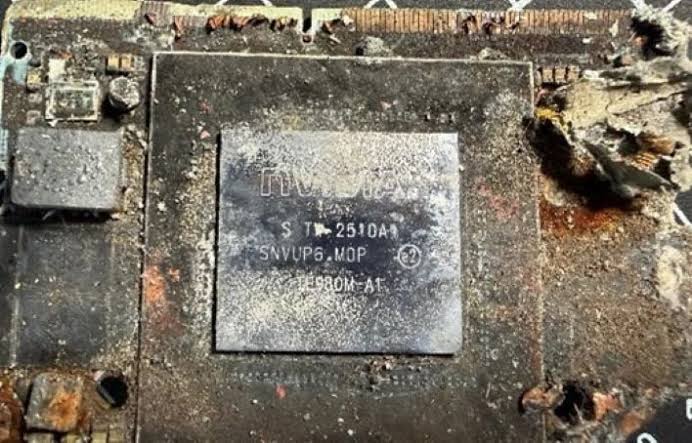
In August 2026, Ukrainian military intelligence (HUR) confirmed a startling discovery: an American-made NVIDIA Jetson Orin computer module was found inside the wreckage of a Russian S-71M “Monochrome” (Monokhrom) air-launched cruise missile.
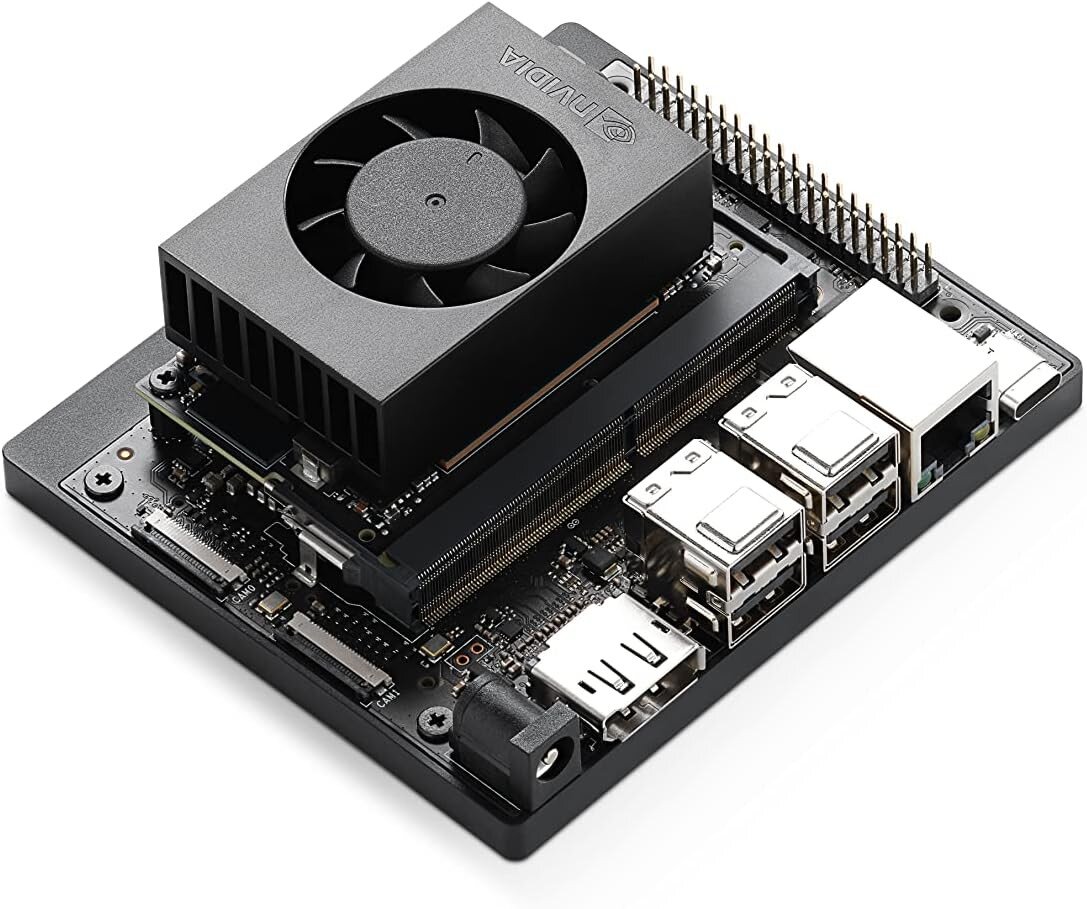
This finding marks a massive shift in modern aerial warfare. It proves that commercial off-the-shelf (COTS) edge-computing technology—originally built for delivery robots and smart cameras—is migrating directly into high-end strategic weapon systems.
But how does a civilian AI chip end up guiding a stealth missile? More importantly, how much does it cost, and how long did it take Russian engineers to program it? Let’s break down the technical and financial realities of this new hybrid threat. 🛡️🤖
🛩️ The Platform: S-71M “Monochrome”
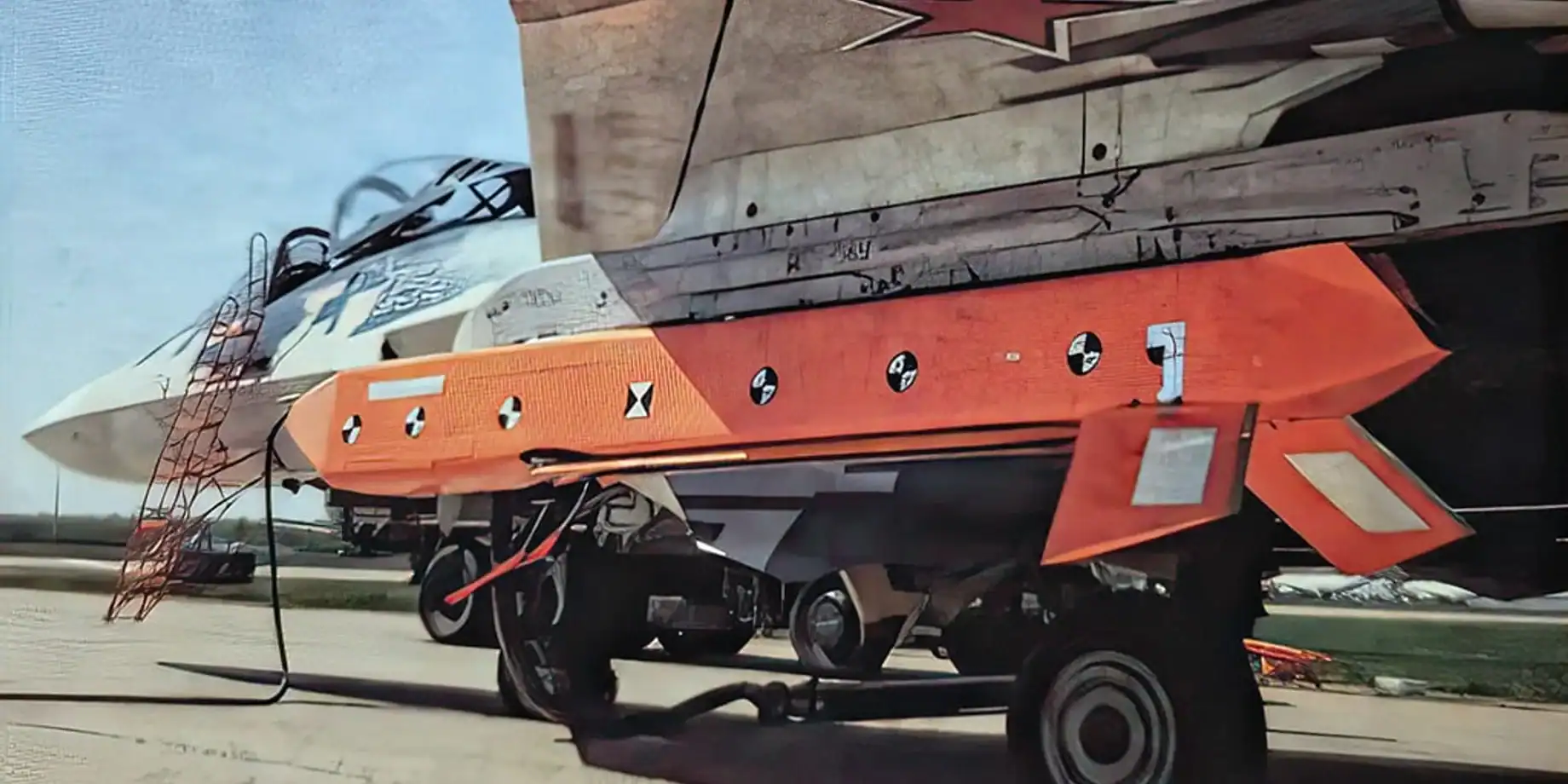
Before looking at the microchip, we have to understand the weapon it controls. The S-71M is a low-observability, stealthy weapon system designed specifically to fit inside the internal weapons bays of Russia’s Su-57 “Felon” stealth fighter.
It functions as a hybrid platform, combining the long-range cruise capabilities of a traditional missile with the terminal behavior of an air-launched loitering munition. According to intelligence reports, the S-71M is designed to autonomously search for, detect, and engage moving targets using electro-optical sensors and onboard targeting data.
To achieve this level of autonomy, the missile requires immense processing power at the “edge”—hence the integration of the NVIDIA Jetson Orin module. ⚡
🧠 The Brains: NVIDIA Jetson Orin & Part Costs
The NVIDIA Jetson Orin NX (the specific variant identified in recent wrecks) is a high-performance edge AI supercomputer. It is widely used in the civilian sector for autonomous machines, drones, and advanced robotics.
But what does it cost the Russian military to acquire and integrate it? 💰
- Commercial Retail Price: Before the escalation of tech sanctions, NVIDIA Jetson Orin NX developer kits and modules were commercially available for approximately $685 to $1,000. They were incredibly popular among robotics students and commercial developers.
- The Sanctions Evasion Premium: Following NVIDIA’s exit from the Russian market in 2022, these chips became subject to strict Western export controls. To acquire them, Russian defense contractors must rely on complex parallel import networks and “grey market” intermediaries.
- True Military Cost: While the raw silicon costs under $1,000, the logistical cost of smuggling the chips, combined with military-grade hardening (shielding against G-forces, extreme temperatures, and electromagnetic interference), likely inflates the cost of the AI subsystem to $5,000 – $10,000 per unit.
⏱️ The Clock: Programming and Integration Timelines
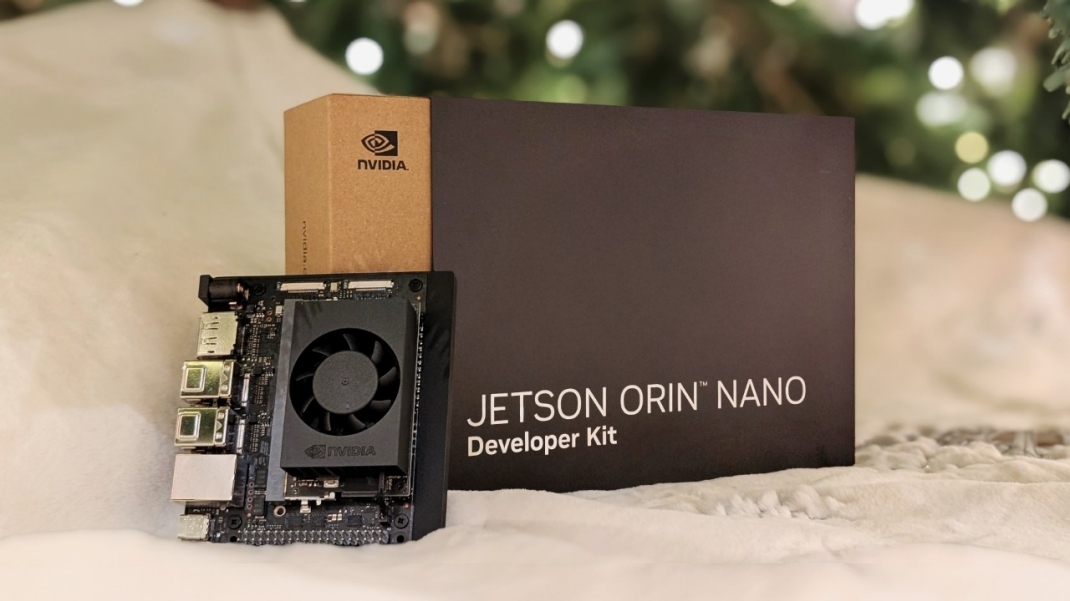
Programming a computer vision system to guide a missile traveling at high speeds is a formidable engineering challenge. However, using the Jetson platform offers distinct software advantages that drastically accelerate development times.
NVIDIA provides a robust ecosystem of pre-optimized frameworks, such as the DeepStream SDK for video analytics, the TAO Toolkit for low-code AI model training, and Isaac ROS for robotics. These tools allow engineers to deploy pre-trained neural networks rapidly.
Here is the estimated timeline for bringing this AI from a laptop to a missile:
Phase 1: Model Training (3 to 6 Months) 💻
Using commercial datasets and the TAO toolkit, a specialized team can train a baseline object detection model to recognize military vehicles (e.g., distinguishing a SAM launcher from a civilian truck) within a few months. However, intelligence reports suggest Russian AI models sometimes still struggle with high-fidelity target discrimination in complex environments.
Phase 2: Integration & Hardening (6 to 12 Months) ⚙️
The AI software must be integrated with the missile’s flight control system (FCS). The system must process video feeds from the electro-optical seeker with near-zero latency to adjust flight surfaces in real-time. This “sensor-to-actuator” loop requires rigorous testing in wind tunnels and live flight tests to ensure aerodynamic stability.
Total Cycle: The transition from initial coding to combat-ready integration likely takes 12 to 18 months. Evidence of this timeline is supported by the fact that the same Jetson Orin platform was first identified in downed Geran-2 drones in June 2025, before appearing in the more advanced S-71M cruise missiles in mid-2026.
💸 The Bottom Line: Cost of the Full Missile
Russia’s current combat doctrine emphasizes “mass-producible” standoff weapons that can be fired in swarms to overwhelm enemy air defenses. While the exact unit cost of the S-71M is classified, defense analysts can estimate its price based on comparable systems.
- The Western Benchmark: Advanced Western cruise missiles like the JASSM or Storm Shadow typically cost between $1.5 million and $3 million per unit due to their sophisticated turbofan engines, complex stealth coatings, and proprietary military-grade guidance suites.
- The S-71M Estimate: The S-71M is intended to be a “less expensive” alternative. It likely utilizes a smaller, cheaper micro-turbojet engine and relies on commercial AI (the Jetson chip) rather than bespoke military silicon.
- Calculated Cost: Factoring in the airframe, the 250kg high-explosive fragmentation warhead, stealth composite materials, and the NVIDIA Jetson AI module, the estimated cost of a single S-71M missile is likely between $500,000 and $1.2 million.
This relatively low price point allows a single Su-57 to carry multiple AI-guided munitions internally, providing a highly lethal, long-range strike capability without the fighter jet ever needing to enter contested airspace. 🎯
🏁 Conclusion
The integration of the NVIDIA Jetson Orin into the S-71M missile represents a permanent shift toward accessible, high-speed autonomous warfare. By leveraging commercial edge-computing architectures, Russia has been able to bypass some of the bottlenecks of traditional military microchip manufacturing.
While sanctions have successfully increased the logistical cost of these parts, they have not stopped the flow of dual-use AI hardware. This allows defense developers to iterate on terminal guidance systems at a blistering pace previously reserved for the civilian tech sector. As edge AI becomes cheaper and more powerful, the line between commercial robotics and military weaponry will only continue to blur. 🌐⚔️
